
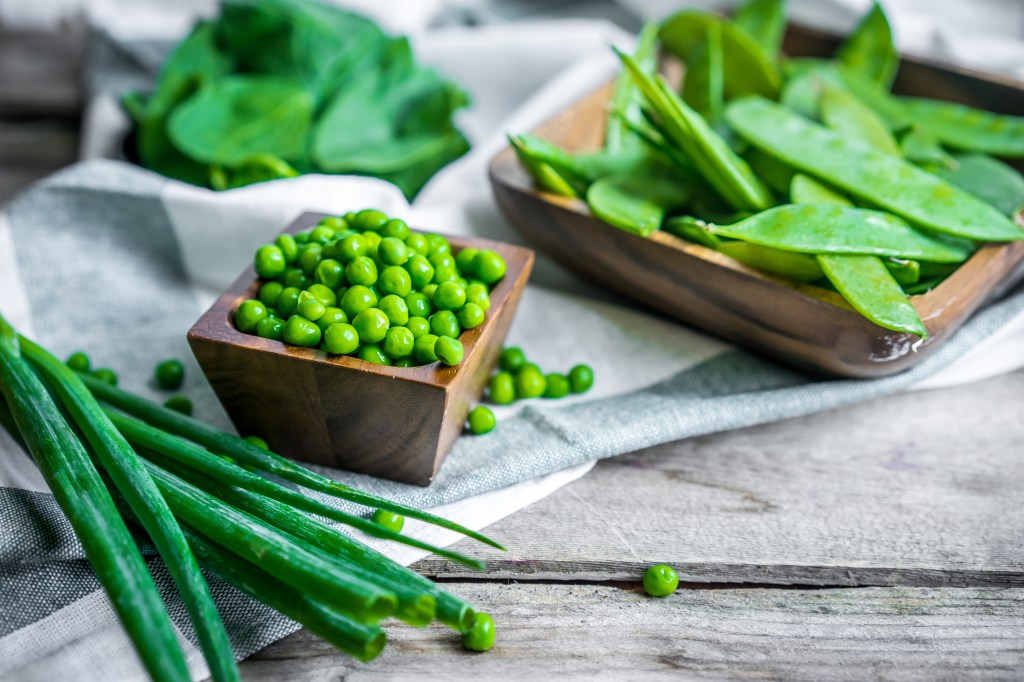
We’ve all heard it said – we are what we eat! How well our body works, our energy levels and our overall wellbeing are all directly linked to the food we put into it. More nutritious and fresh foods have a far more positive impact on us than the refined and processed foods.
I am a believer that a well-balanced and healthy diet should have all types of food and should not deny you the odd treat from time to time. Exclusion diets often lead to quick shifts in water weight and not sustainable weight management.
I like to tell my weight loss patients to think of the diet changes they need to make to achieve their goals as a restructure of their diet – not a restrictive, limiting experience leaving them feeling deprived or hungry.
On this page I am going to talk about the major food groups that should make up the majority of your diet – the macronutrients; protein, carbohydrate and fat. It is important not just to think about what you are eating in simple terms of calorie count alone, but to look at the proportion of the calories against these food groups (see my blog on macronutrient dieting to see how to structure them for your starting weight).
I often find when I start talking to patients about these food groups they don’t really know which foods fall into which group – especially protein, which if you want to lose fat, should make up a large proportion of your diet. So I’m going to explore each group here separately with some food ideas in each.
Protein
Proteins are chains of amino acids and make up most of the tissues in our body especially muscle. Adequate protein is an important part of any diet, especially a fat loss diet, as it preserves our body tissues when we calorie restrict so that we start to burn our fat stores and not actually break down our muscles!
About 40% of your daily calories should come from protein, which we can get from both animal and plant sources. Below is a list of some of the food options:
- Meat – chicken, turkey, pork, beef, lamb
- Fish – cod, tuna, haddock, prawns, salmon
- Eggs (egg white is protein)
- Dairy products – aim for low-fat options of cheese, yoghurt, milk
- Soy milk
- Tofu
- Beans – soy beans, black beans, white beans, kidney beans
- Legumes – lentils, split peas, chickpeas
- Nuts
- Grains – oats, quinoa, couscous
- High-protein vegetables – peas, broccoli, spinach
- Vegetarian substitutes such as Quorn
- Protein supplements – Whey, Soy, Pea
Meat, fish, egg whites and dairy have the highest protein content of the above list.
Ideally when eating meat is it better to stick to the leaner meats for the majority of the time (chicken & turkey) but it is still ok to have the red meats once or twice a week. Lots of supermarkets now stock less than 5% fat beef mince which is a great option.
Obviously some of the above options overlap with the other food groups. Nuts, egg yolks and dairy contain fats and grains, beans, legumes and vegetables also contain carbohydrates.
Protein supplementation can be helpful if you aren’t able to get enough protein from your diet and are a great add to anyone who does weight training. There are lots of varieties on the market in a variety of interesting flavours! I generally suggest that 75% of the protein you eat should be from food and the remaining 25% can come from supplementation.
Carbohydrates
I always feel sorry for carbohydrates – they get such a bad press in the diet industry. How often do you hear someone say “I’m cutting out carbs”! When you realise that carbohydrates are in a variety of different foods you realise how silly this statement is. Also what many are not aware of is that glucose (what your body breaks all carbohydrates down into regardless of whether it’s a piece of broccoli or chocolate) is the only fuel your brain can use. So if you don’t get enough carbohydrates you can feel sluggish and struggle to concentrate.
What most people should mean is that they need to control and change the carbohydrates they eat. Essentially carbohydrates are chains sugars; glucose, fructose and galactose. This is the same in all carbohydrates even though not all taste sweet!
How these chains are arranged and linked together differs between carbohydrates. Smaller less linked chains are simple carbohydrates and more longer more linked chains are complex carbohydrates. As you’re about the read it’s the simple carbohydrates that are the most damaging to your body and weight loss.
Simple carbohydrates are broken down and digested by the body quickly, releasing a high sugar load that your body quickly stores away in your muscles and liver, driven by the hormone insulin. The way your body stores these sugars, as glycogen, attracts a lot of water to it so you can end up with a bloated feeling quite quickly when you eat a lot of them. This explains why you find the scales quickly shoot up after a day of indulgence in these types of carbohydrates.
Due to the high sugar load that simple carbohydrates release into the blood stream, they cause a large insulin spike which not only signals to your body to store the sugars away but also to create more body fat! And if all of that isn’t enough of a reason to stay away from simple carbohydrates, those high sugar spikes in our blood sugar quickly plummet when the sugars are stored which leads us to crave another sugary hit and continue the damaging cycle!
Complex carbohydrates on the other hand take longer to be digested and so they release their sugars more slowly allowing you to use the energy released in your day to day activities and maintain steady blood sugar levels. They also contribute to your daily fibre which helps keep you regular as well!
Below are some examples of each:
Complex Carbohydrates
- Whole grain cereals & oats
- Wholewheat/wholemeal bread
- Brown & wild rice
- Wholewheat/brown pasta
- Sweet potatoes & butternut squash
- Grains & beans
- Vegetables
- Fruit*
Simple Carbohydrates
- White bread
- White rice
- White pasta
- White potatoes & chips
- Crisps
- Sweets, chocolate, cakes & biscuits
- Sugar
- Added sugars to processed foods & fizzy drinks
- Sweeteners
Fruits actually contain simple sugars however as they have a fibrous structure and are full of vitamins and minerals they are more complex overall. However that being said it is important consideration when eating fruit to consider the sugar content – especially when it comes to fruit juices or making fruit smoothies. When fruit is juiced or blended it breaks down that fibrous structure and make them much more a simple carbohydrate so make sure you don’t overdo it on these. As a general rule the more exotic the fruit (and sweeter the taste) the more sugar – so mangoes, pineapples, ripe bananas are all high in sugars where apples, pear and berries are much lower.
So don’t give carbohydrates such a bad time! It’s actually that you need to change the types of carbohydrate you are eating rather than cut them out all together. Keeping your daily carbohydrates to around 35-40% of your daily calories is a good amount to aim for.
One last thing to bear in mind is that if you’re quite partial to some of the simple carbohydrates listed above, when you start to cut them out you might initially struggle – as without realising it you are addicted to the sugar hit they give you! Persevere for a couple of weeks and you’ll soon feel the benefit of eating cleaner more nutritious foods and your body (and the scales) will thank you for it.
Fats
Fat is an essential part of our diet and plays vitals roles in maintaining our cells and hormones. However it does contain more calories per gram than protein and carbohydrates so you don’t need as much of it in your diet. Fat only needs to make up 20-25% of your daily calories.
Similar to the other macronutrients fats are chains of molecules that come in different arrangements and that why some are liquid (unsaturated fats such as oils) and some are solid (saturated fats such as meats).
Overall it is better to try and have the majority of the fats you eat from unsaturated sources but the odd bit of saturated fat is perfectly fine from time to time. Examples of both are below.
Unsaturated fats:
- Nuts & wholenut butters
- Avocado
- Olives
- Fish
- Vegetable oils – rapeseed, olive
- Seeds – flax seeds, chia seeds
Saturated fats:
- Meat cuts with fat – steaks, chops
- Meat products – sausages, burgers
- Charcuterie meats – salami, chorizo
- Butter, lard & ghee
- Cheese
- Cream
- Coconut oil
- Chocolate
The fats that you need to stay away from are trans fats. These are created artificially and you’ll find them in packaged and processed foods. They will be written on the food labels of products if they contain them and if you see hydrogenated fats steer clear of these as well. These are the types of fat that are linked to heart disease and diabetes.
So that’s the 3 macronutrients covered. I hope that gives you a bit more of an idea about what to eat. Have a read of my post on What is macronutrient dieting? to find out how to structure these into a diet plan for you and good luck!

